
On April 12, 2026, on Coachella’s outdoor stage in Indio, California, three members of BIGBANG stood in front of the same microphone for the first time in seven years. The roughly 80,000 fans watching “Bang Bang Bang” were watching the group — but they were also watching one man pull “Ringa Linga” through the middle of it on his own. Twenty years into his debut, 18 years into his solo career, the main vocalist. The following month, on May 18, 2026, he releases Taeyang QUINTESSENCE — his first full-length solo album in nine years — on his 38th birthday.
It’s an odd combination. A second-generation K-pop artist at this point in his career usually slows down — extended hiatus, lighter singles outside the group, occasional features. There’s no obvious reason for an artist with over 1.3 billion cumulative Spotify streams (kworb.net, April 10, 2026) to return with the heaviest format he could choose: a fourth studio album. And yet Taeyang has, with “Live Fast Die Slow” as the title track. The answer to why is buried in 18 years of how he has operated his R&B solo discography.
1. One R&B Axis, Held for 18 Years
Taeyang’s musical identity was set in his debut and has stayed in roughly the same place since. His first solo EP Hot, released in May 2008, won both the R&B/Soul Album and Song awards at the 6th Korean Music Awards — a rare recognition for an idol-group member at that time. Even though he had almost no songwriting credit on that debut, the phrase that started attaching itself to him from that point was “the K-pop idol who handles Black music most naturally.”
The albums that followed — the 2010 full-length Solar, 2014’s Rise, 2017’s White Night, and the 2023 EP Down to Earth — wore different surface trends. Solar fused electronic pop with R&B, Rise pushed piano-and-vocal minimalism to the front, White Night brought in alternative R&B and synth-pop, and Down to Earth leaned back into 1970s-80s Motown soul. But across all of those, he never branched into ballad, musical theatre, or mid-tempo pop. Among the second-generation male vocalists who moved into adjacent genres to extend their careers, his 18-year continuity on a single R&B axis is unusual in the K-pop idol lineage.
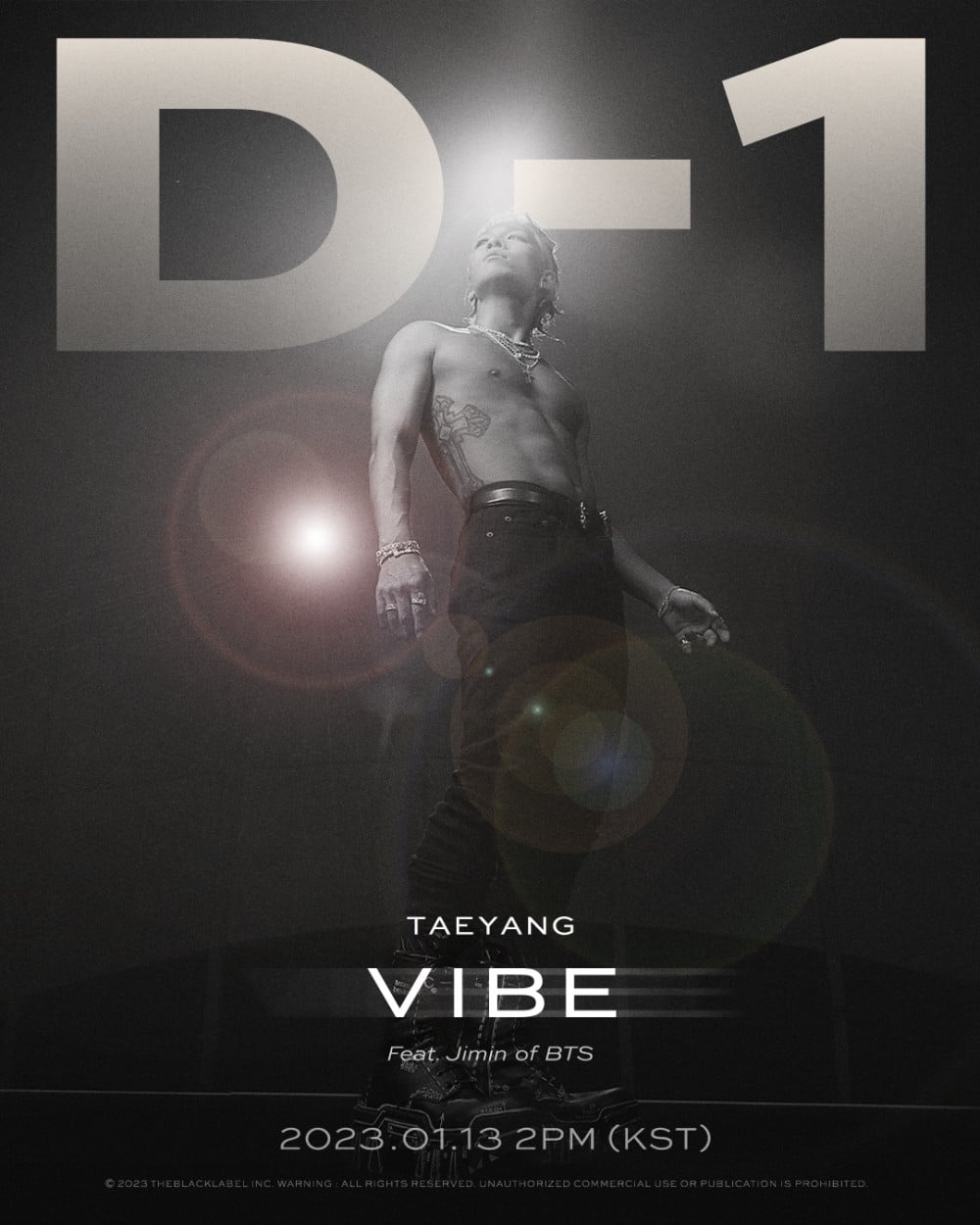
The commercial peaks line up along that axis. “Eyes, Nose, Lips” (2014) sold 322,577 first-week digital downloads (Gaon) and finished second on Korea’s 2014 annual digital chart. Rise the same year debuted at #112 on the Billboard 200 — the highest entry by a Korean male solo artist at that point. White Night in 2017 spent two consecutive weeks at #1 on Billboard’s World Digital Albums chart. And in 2023, the pre-release single from Down to Earth — “VIBE (feat. Jimin)” — debuted at #76 on the Billboard Hot 100, his first Hot 100 entry ever, with 4.2 million U.S. streams and 20,000 downloads in its first week (Luminate via Billboard, Jan. 24, 2023). That same year, “Shoong! (feat. LISA)” failed to chart on Korea’s Melon while topping iTunes World Songs (Pannkpop, April 2023). The gap between global and domestic performance is its own data point — it tells you which market he’s been built around for over a decade.
2. Main Vocalist and Main Dancer in the Same Body
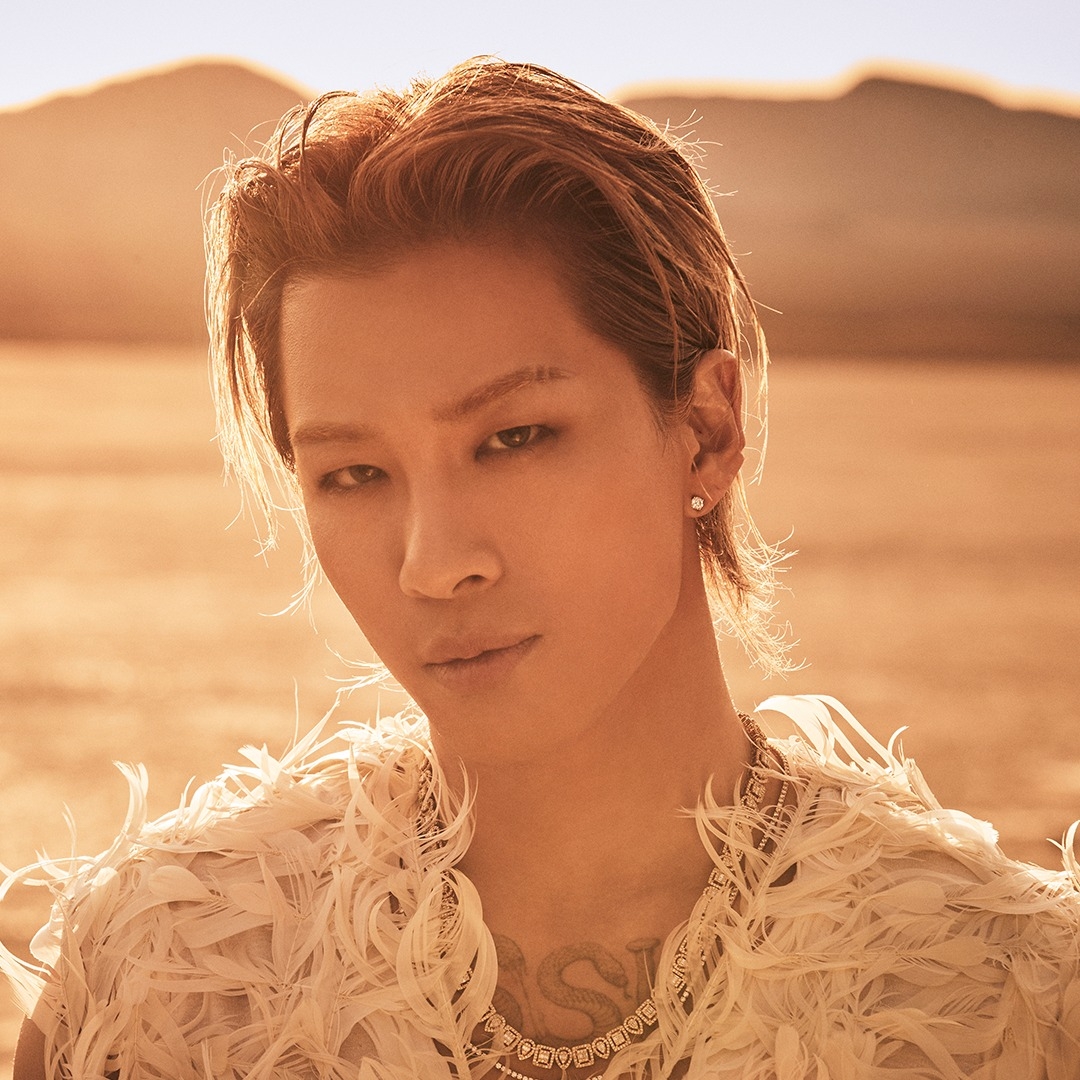
Inside BIGBANG, Taeyang is the main vocalist, but he’s also classified as the main dancer. Carrying both roles in the same body is uncommon in second-generation K-pop. And the combination becomes most visible when he leaves the group setting for a solo stage.
Parris Goebel choreographed “Ringa Linga” in 2014, and the resulting dance video spawned a body of solo K-pop dance covers on YouTube that built a small benchmark for the format. The 2017 White Night World Tour covered 19 cities across Asia, North America, and Japan, with four Japanese stadium dates drawing 140,000 people (Wikipedia, “White Night World Tour”). That was the last solo tour he ran before military enlistment. The detail that gets cited most is that BLACKPINK opened for him at the Kobe stop — a small symbol of where each act sat inside the YG family at that moment.
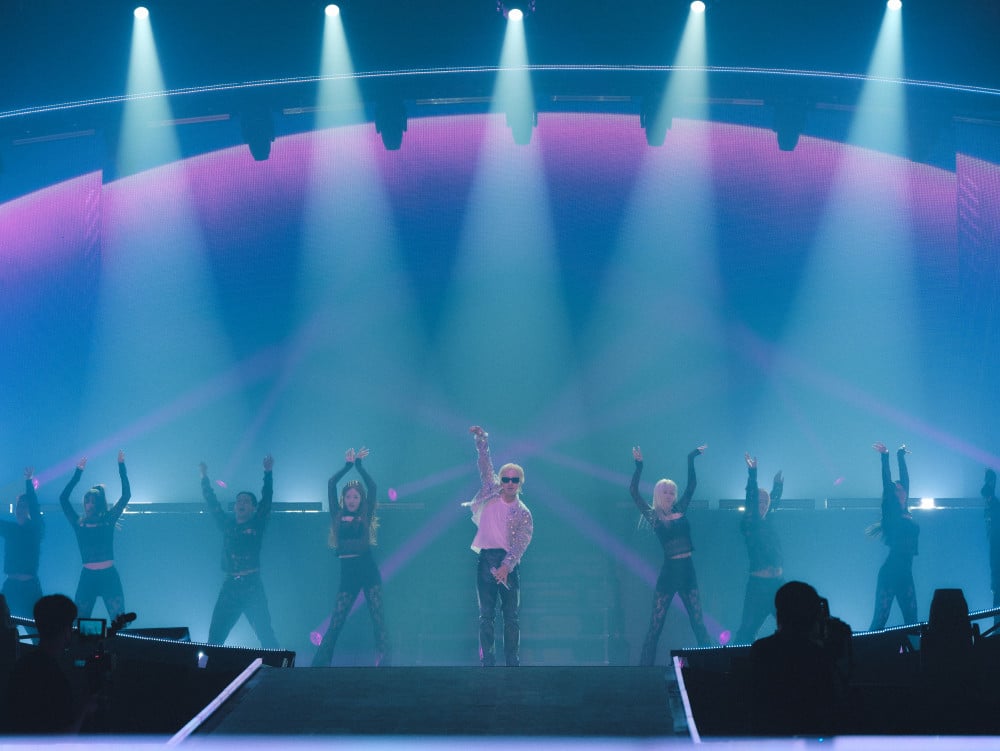
It took military service, marriage, and his first child before he stepped on a solo stage again. In August 2024, TAEYANG 2024-2025 TOUR “THE LIGHT YEAR” opened at Seoul’s Olympic Hall and moved through Hong Kong, Sydney, Melbourne, Taipei, Kuala Lumpur, Bangkok, and others. The setlist ran one person through BIGBANG’s “Loser,” “Bang Bang Bang,” and “Still Life” alongside his solo catalog (setlist.fm, hellokpop 2024). It was his first solo tour in seven years, and live reviews from international outlets converged on the same observation: 90+ minutes of high-intensity choreography while keeping the vocal line clean (Amnplify ICC Sydney review, Nov. 2024).
This is the context for QUINTESSENCE’s title-track choice. “Live Fast Die Slow” has been described in pre-release coverage as the fastest-BPM dance track in his discography (SOOJIB, dojeonmedia April 2026). For a 38-year-old artist releasing his first studio album in nine years to lead with the most physically demanding cut on the record is closer to a quiet self-proof than a marketing move — proof that the live operating system underneath the music hasn’t been compromised.
3. Hot to QUINTESSENCE: A Stage Name Rewriting Itself
Read the solo discography in sequence, and a single-word motif holds it together. His stage name itself is the Korean word taeyang (sun), and his Japan-side stage name SOL is the Spanish form of the same word. Each album title has been a variation on that one image.
- Hot (2008) — Heat before the rise
- Solar (2010) — Coming into being as the light source
- Rise (2014) — Ascent; the threshold moment for Korean R&B as a solo format
- White Night (2017) — Midnight sun, the light that doesn’t set
- Down to Earth (2023) — Sunset; the return to ground
- QUINTESSENCE (2026) — Pure essence, the last stage where only the form remains
For Down to Earth, he explained the concept in his own words: “I came to see that the six years I’d spent since 2017 weren’t so different from a sunset” (The Kraze, April 2023). A mid-30s artist who had passed through military service, marriage, and his first child marked that chapter as the one where he came down to the ground. The chapter that follows isn’t another ascent — it’s the step where the form built across those 18 years gets reduced to its essence.
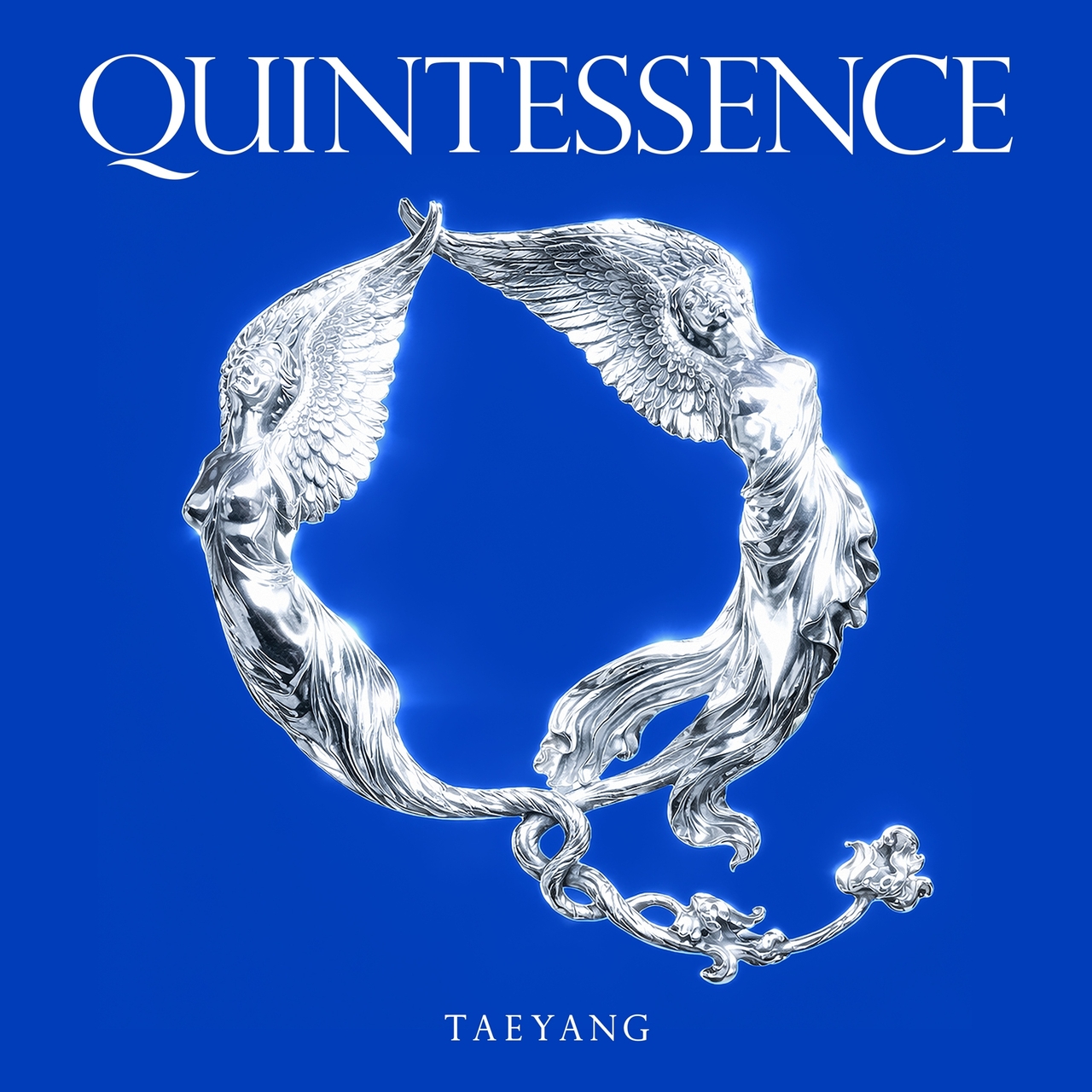
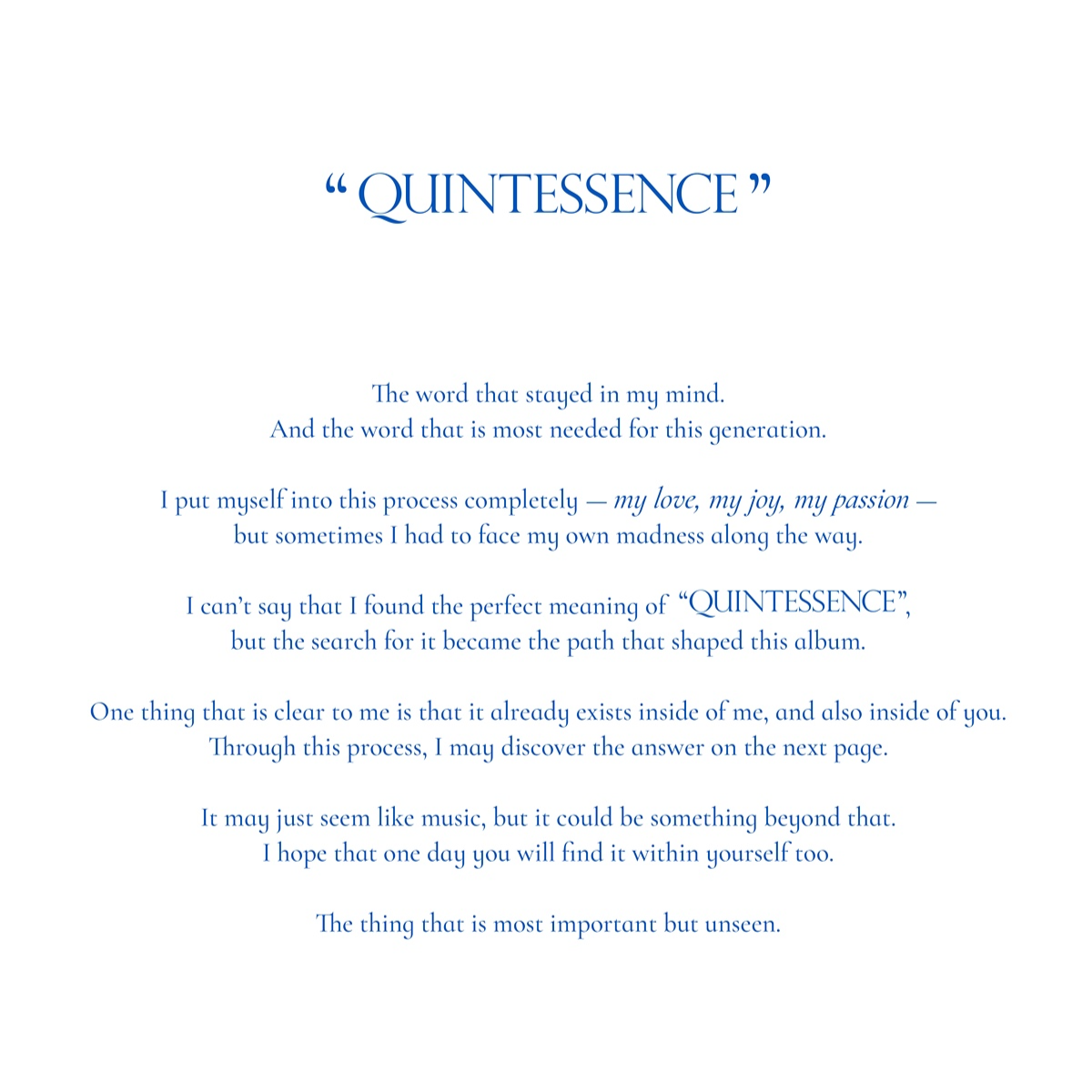
THEBLACKLABEL’s teaser dropped on April 1, 2026, carried the line “Quintessence — what’s most essential is invisible” (Herald Muse). The reference is Aristotle’s fifth element. The album artwork places two angels tracing the letter “Q” against cobalt blue and pink, released in two versions: BLUE DAWN and PINK RADIANCE (SOOJIB, HiphopKR).
The personal markers don’t conflict with the narrative. Marriage to actress Min Hyo-rin on February 3, 2018; mandatory military service from March 12, 2018 to November 10, 2019 at the 6th Infantry Division in Cheorwon; the birth of his first child on December 6, 2021; the move from YG to THEBLACKLABEL on December 26, 2022; and the January 17, 2023 appointment as Givenchy global ambassador — the first Korean male artist to hold the role — all fall on the same timeline as the conceptual shifts in his albums.
4. A Bridge Between Generations: Jimin, LISA, The Kid LAROI
The clearest read on Taeyang’s standing now isn’t a chart number — it’s the signal other artists send him.
On January 18, 2023, BTS Suga hosted him on episode 3 of SuchWiTa. What Suga said on camera carries weight in context: “It wouldn’t be an exaggeration to say BIGBANG practically built BTS. You were the musicians I wanted to be like when I was a kid.” The “VIBE” collaboration with BTS Jimin, released that same month, becomes more than a feature on a track. It’s the first record where a second-generation vocal icon and a third-generation global pop star share the same studio session.
The bridge extended once more into the fourth generation in the same year. “Shoong! (feat. LISA),” released that April, was choreographed by Bailey Sok and put two dance icons on the same surface. One overlooked piece of context: LISA had appeared as a backup dancer in the music video for “Ringa Linga” in 2013 (Wikipedia, “Shoong!”). A ten-year gap closed inside one track.
QUINTESSENCE in 2026 extends the same pattern further outward. The track “Open Up” features The Kid LAROI — the Australian pop star behind two Billboard Hot 100 #1s, “Stay” and “Without You” (Korea Herald, April 21, 2026; allkpop, May 2026). The collaboration track “Would You” brings in TARZZAN and WOOCHAN from THEBLACKLABEL’s new mixed group ALLDAY PROJECT (Star News Korea, May 12, 2026). Generational movement inside the K-pop industry, and the point of contact with the broader global pop market, both fit inside the 10 tracks of one album.
Matthew M. Williams, creative director of Givenchy, summarized the position in one sentence when he announced the ambassador appointment in 2023: “Taeyang is an inspiring artist — a music pioneer with an authentic, barrier-breaking way of expressing his own personal style.”
The Current Chapter: A Fourth Album, Nine Years Later
QUINTESSENCE drops at 6 p.m. KST on May 18, 2026 — his 38th birthday — with 10 tracks total. As of May 13, the officially confirmed tracks are the title “Live Fast Die Slow,” “Open Up” featuring The Kid LAROI, and “Would You” featuring TARZZAN and WOOCHAN. The other seven titles will surface on release. THEBLACKLABEL’s production circle, centered on Teddy Park, is on the album for certain; individual track credits open up after release.
BIGBANG’s 20th-anniversary world tour starts in August of the same year. G-Dragon announced the start month directly from the Coachella Weekend 2 stage on April 19, 2026 (The Hollywood Reporter, April 2026); the official tour name hasn’t been confirmed yet. Taeyang’s own words from that stage are worth the quote: “Twenty years ago, BIGBANG began, but we’re not done yet. This is just the beginning. We have a lot of special things coming up for BIGBANG, and my new album QUINTESSENCE is starting it off” (Korea Herald, April 21, 2026).
A 38-year-old R&B solo vocalist back with his fourth full-length album nine years later, and the one axis he has held steadily for 18 years. Whether QUINTESSENCE ends up being the distilled essence of that axis or the starting point of the next chapter is something the charts after May 18 will answer. But just from “Live Fast Die Slow’s” BPM, the presence of The Kid LAROI, and the dual BLUE DAWN / PINK RADIANCE visuals, the album opens in a more outward-facing posture than its “return to essence” concept might suggest. The opening point of a solo chapter being redrawn by a 20-year BIGBANG member — for fans trying to get QUINTESSENCE and the rest of Taeyang’s discography into their hands from abroad, Paysable Warehouse lets you collect both BLUE DAWN and PINK RADIANCE versions without a Korean address and ship them together in a single delivery.