
In K-pop, a group usually picks one face. Innocent or fierce, a concept gets chosen and everything after it becomes a variation. The four members who debuted on August 1, 2014 with the digital single “Happiness” never made that choice, because the name already held two of them. “Red” for the vivid and bold, “Velvet” for the classy and toned-down. By the label’s own description, these were not a contradiction to be resolved but two drawers to be opened in turn.
Exactly twelve years later, on August 1, 2026, Red Velvet took the stage at Korea University’s Hwajeong Tiger Dome in Seoul for the fan concert A Day in Red & Velvet, held on the anniversary of their debut. All three shows from July 31 to August 2 sold out — the fanclub presale alone cleared the house, and an additional date had to be opened.
Twelve years is not a short run for a K-pop girl group. In that span Red Velvet reached No. 1 on Korea’s official Circle album chart thirteen times, extending their record for the most chart-topping albums by a girl group, and their 2022 EP The ReVe Festival 2022 – Birthday passed 1,048,239 copies to become their first million-seller. Their cumulative Spotify streams crossed 3.6 billion (kworb, as of July 30, 2026). In 2024, their tenth year, the EP Cosmic gave them their first entry on the Billboard 200.
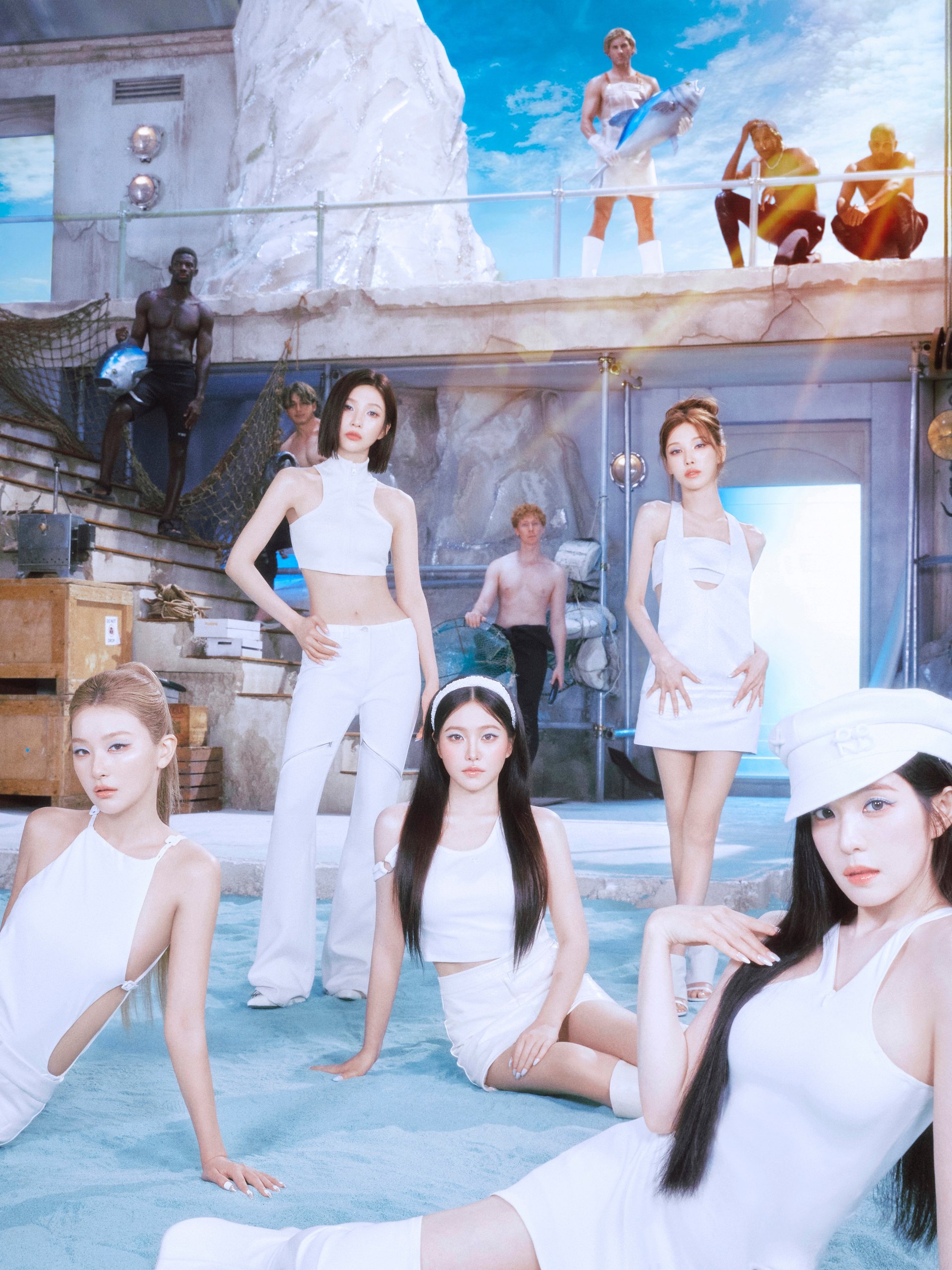
Read as numbers alone, that looks like a group that simply lasted. Look a little closer at those twelve years, though, and something else surfaces — the reason they lasted and the reason they never narrowed their identity turn out to be the same thing.
Two Engines, One Group
What separates Red Velvet from any other group of their generation starts with the structure itself. They have run two kinds of music side by side from the beginning. “Red” handles the bright, effervescent side — dance pop, electronic, tropical house. “Velvet” carries the mature side, layered with the textures of R&B, soul and jazz. Plenty of K-pop groups have switched concepts midstream, but sustaining both axes in parallel from debut is, by most critical accounts, rare.
Table 1. Songs that define Red Velvet’s two concepts
| Axis | Representative songs | Sound |
|---|---|---|
| Red | “Happiness,” “Ice Cream Cake,” “Dumb Dumb,” “Red Flavor,” “Power Up” | Dance pop, EDM, tropical house |
| Velvet | “Automatic,” “Peek-A-Boo,” “Bad Boy,” “Psycho” | R&B, soul, urban |
| Blended | “Russian Roulette,” “Rookie” | Elements of both axes |
That structure has worked as a licence to experiment. “Feel My Rhythm” (2022) laid a trap beat under strings sampled from Bach’s Air on the G String, and the reason a classical quotation sitting inside idol pop did not feel forced has a lot to do with the years this group had already spent moving between two grammars.
Some readings go further, crediting the group as a structural precedent for the layered, dual-self worldviews that later generations would build. The path taken by a junior group at the same label makes that line easier to see (aespa review).

The Concept Queens
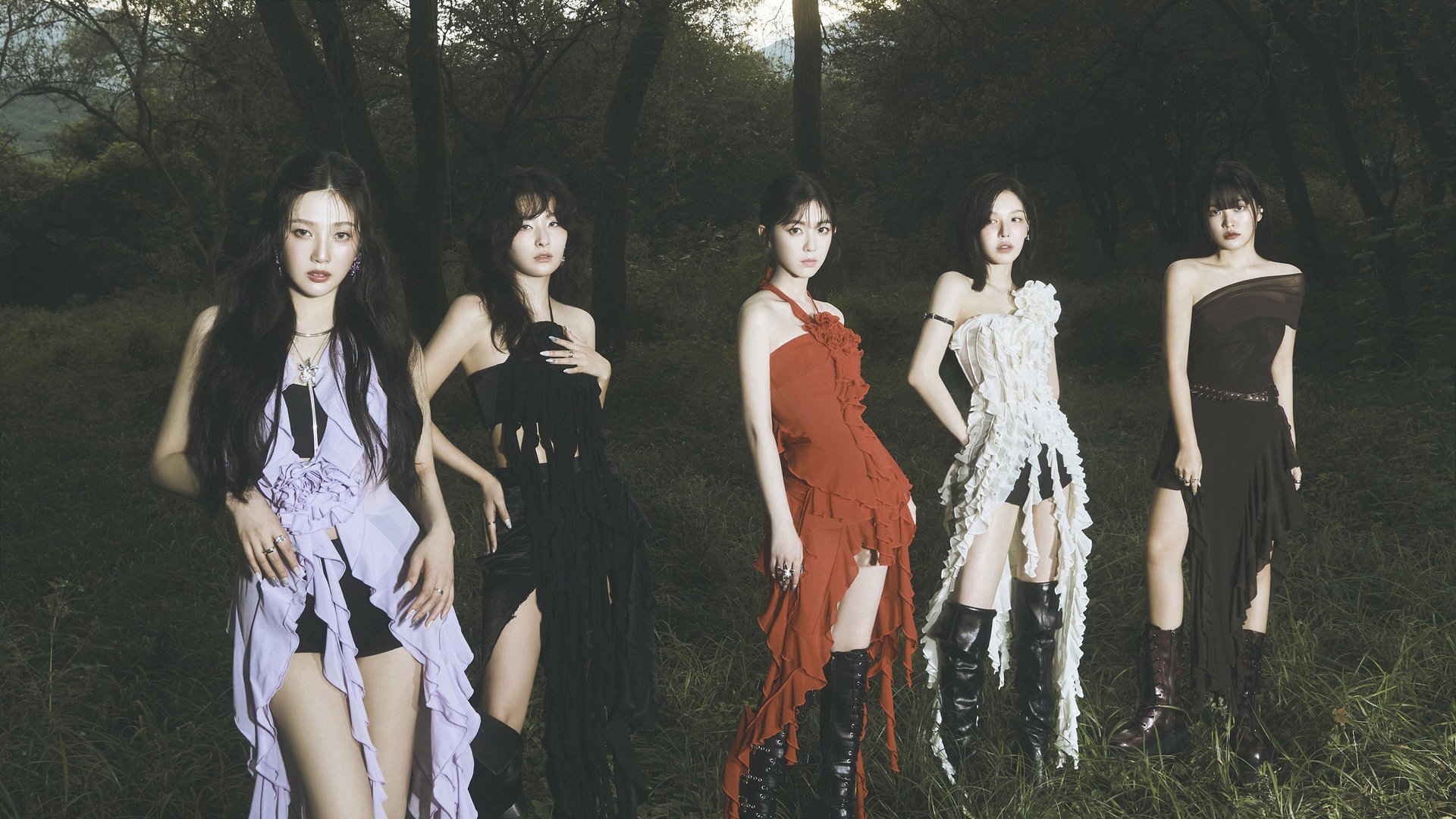
The second strength is the habit of hiding a different story underneath a bright surface — the reason fandom and critics alike call them the Concept Queens. From the cheerleader framing of the debut single “Happiness,” through the twist narratives of “Russian Roulette” and “Peek-A-Boo,” to the loss and regret running through the 2023 studio album Chill Kill, their visual work has generally kept a cheerful melody and a cold metaphor in the same frame.
Academic work has picked up on the method as well. One study read the music videos for “Bad Boy” and “Psycho” as a case of inverting an established gaze, placing an unsmiling, cool detachment where female idols were conventionally expected to offer deference and charm.
Narrative threads running between albums are another signature. The three-part The ReVe Festival series in 2019 tied three releases into a single world set at a fictional festival, and its symbols were called back in the 2022 series.
This kind of structure changes the character of a fandom, too. The official fandom name ReVeluv was announced on April 26, 2017, the group’s 1,000th day. “ReVe” combines the first letters of Red and Velvet while also meaning “dream” in French. Because the concepts leave so much room for reading, ReVeluv has built a participatory culture — analysing symbols and sharing fan works each time a new album lands.
Numbers That Kept Growing
The third strength is performance. What stands out in Red Velvet’s record is not the peak itself but the fact that the figures kept moving after it.
Thirteen No. 1 albums on the Circle chart, the most recent when Chill Kill topped the chart in the third week of December 2023 and stretched the girl group record again. On physical sales, The ReVe Festival 2022 – Birthday reached 1,048,239 copies in 2022 to become the group’s first million-seller, and Feel My Rhythm cleared 700,000 the same year.
Table 2. Cumulative Spotify streams for signature tracks (kworb, as of July 30, 2026)
| Song | Cumulative streams |
|---|---|
| “Psycho” | approx. 564.29 million |
| “Bad Boy” | approx. 366.09 million |
| “Russian Roulette” | approx. 253.49 million |
| “Peek-A-Boo” | approx. 248.10 million |
| “Red Flavor” | approx. 223.25 million |
| “Feel My Rhythm” | approx. 187.80 million |
The American breakthrough, by contrast, arrived late. Cosmic entered the Billboard 200 at No. 145 in 2024, a first for the group — and a first that came in their tenth year, which is not the usual order of a growth curve.
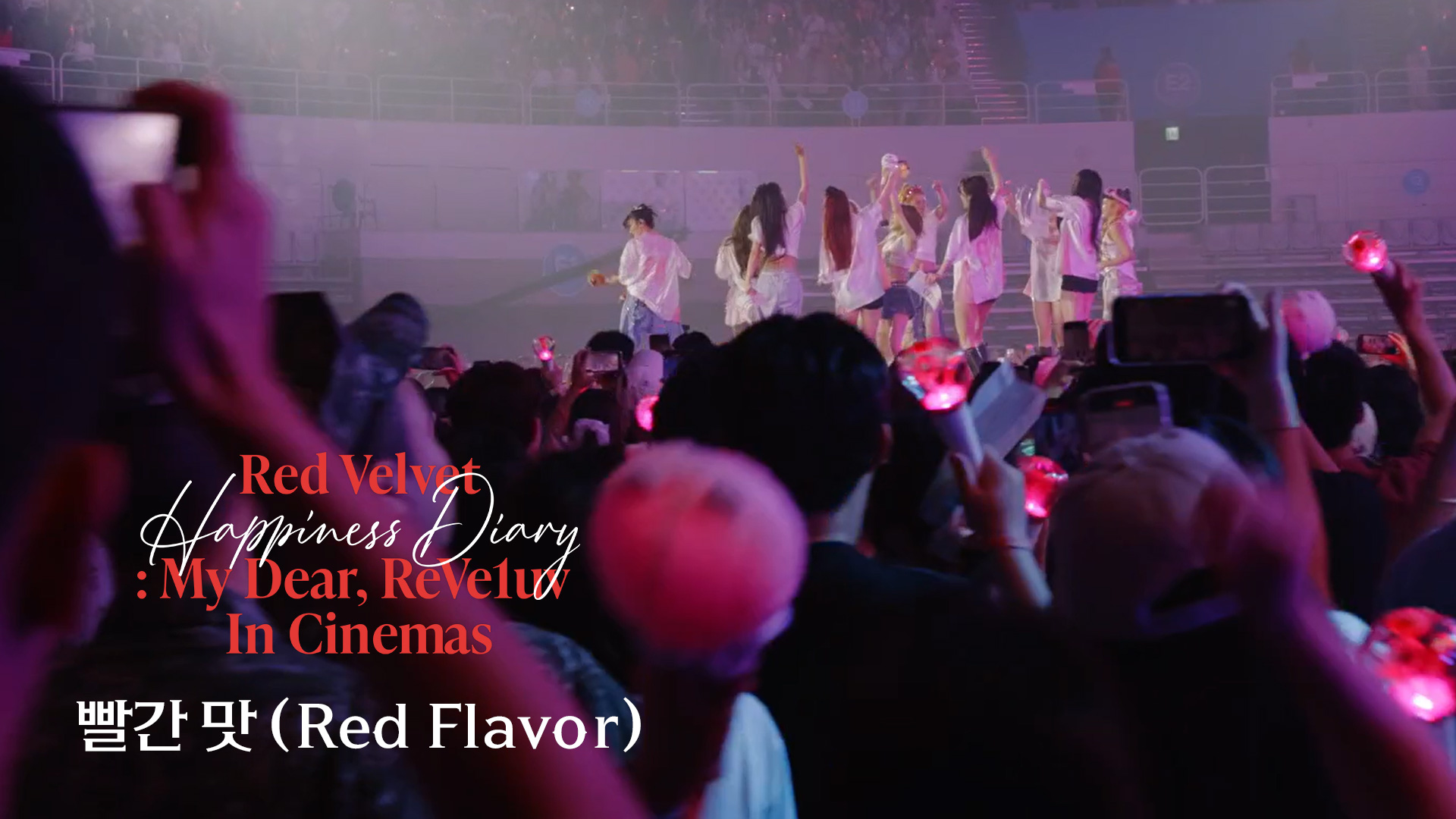
Recognition off the charts accumulated as well. “Red Flavor” won Best Pop Song at the 15th Korean Music Awards in 2018, and Billboard’s list of the 100 greatest K-pop songs of the 2010s placed “Red Flavor” at No. 2 and “Bad Boy” at No. 27. On their fourth tour, R to V in 2023, they headlined for the first time in four European cities — Paris, Berlin, Amsterdam and London — and that same year they were the only K-pop group invited to Primavera Sound in Spain.
Built to Come Back
The fourth strength lives in the narrative. These twelve years have not been a clean straight line; they read more like a curve of pauses and returns.
They were not a group that shot to the top from the start, either. The point at which mainstream recognition clearly took hold is generally placed at “Red Flavor” in 2017, three years after debut — three years of accumulation came first.
The longest pause arrived in December 2019. Main vocalist Wendy was injured during a broadcast rehearsal, group activities stopped, and recovery took more than a year. The five of them stood on a stage together again on January 1, 2021, at the online concert SMTOWN LIVE: Culture Humanity, and the songs they performed that day were “Bad Boy” and “Peek-A-Boo.” That August, the EP Queendom completed the full-group return.
In 2025 the shape of the group’s operations shifted once. Wendy and Yeri concluded their individual exclusive contracts with the label. Both announcements noted that group activities would continue, and Red Velvet did move into the next chapter as a five-member group. A team that keeps running after its members’ agency arrangements diverge is still not a common structure in K-pop.
And Now, Velvet Summer
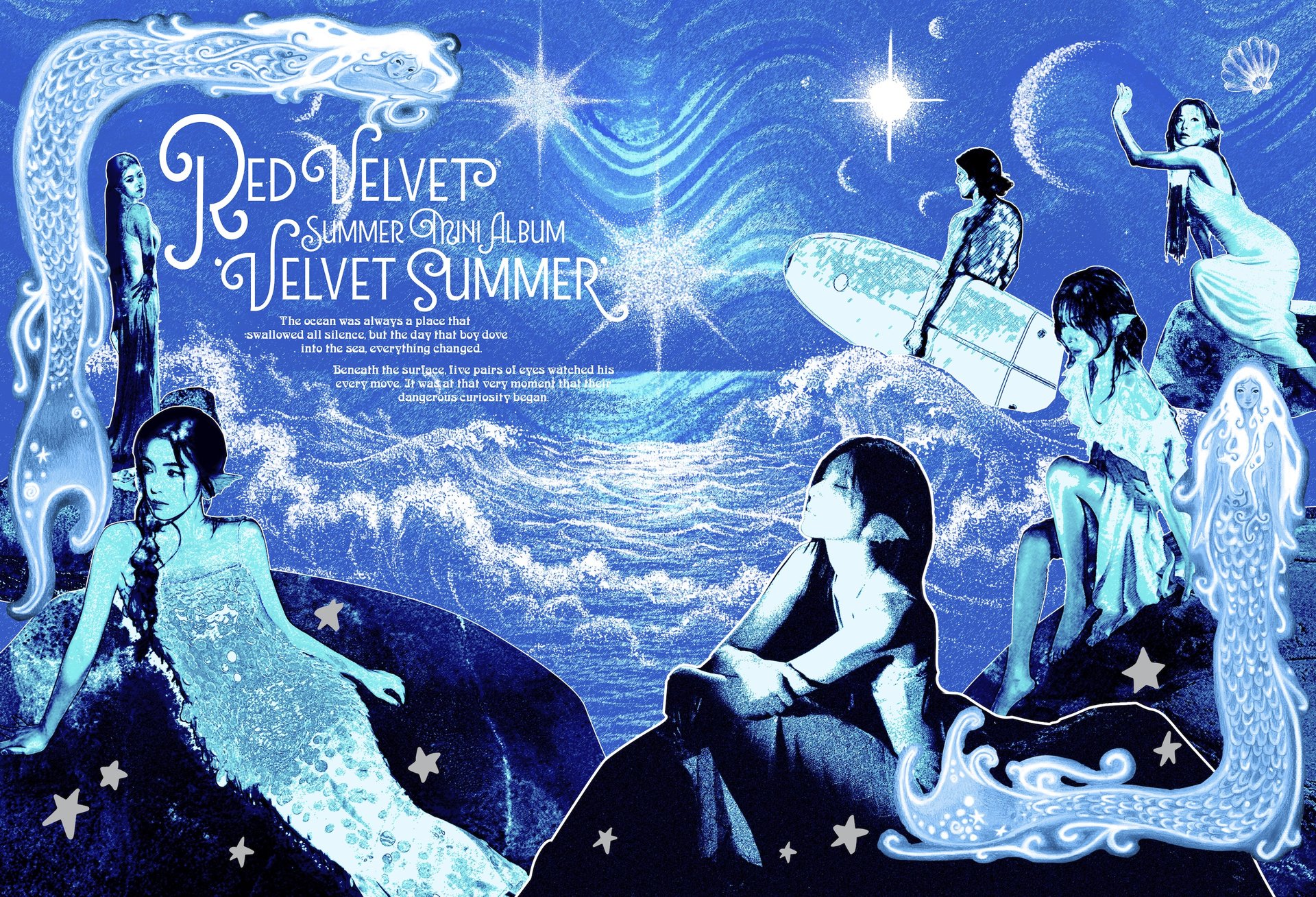
The 2026 return brings the full group back after about two years. The previous full-group album, Cosmic, arrived in June 2024, and the stretch since then was filled with solo albums, tours and acting work.
The fan concert opened the door first: three days from July 31 to August 2, all three shows sold out. The final night was streamed online, and the new song “Surfin’ Boy” was performed there for the first time.
The album arrives on August 3 at 6 p.m. KST with five tracks. The title song “Surfin’ Boy” sets a house groove over a languid bossa nova guitar and an unhurried reggae rhythm — a summer pitched a tone lower than the bright, high-contrast season songs the group is known for. Joy wrote the lyrics for both the title track and the album cut “Hawaii” on her own.
And the album title says one more thing. Velvet Summer. Summer is the territory this group has been building under the name “Red” for twelve years; “Velvet” is the drawer on the opposite side. Putting those two words in one title reads less like a description than an answer — that twelve years in, they still have no intention of choosing. Just as they didn’t at the start.